

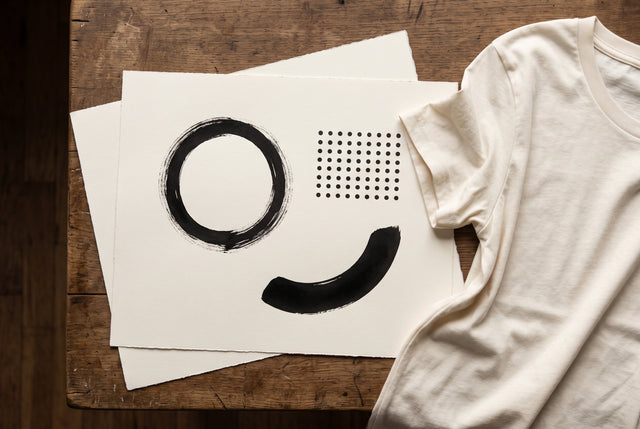
One Color, Many Possibilities
Start with One Decision
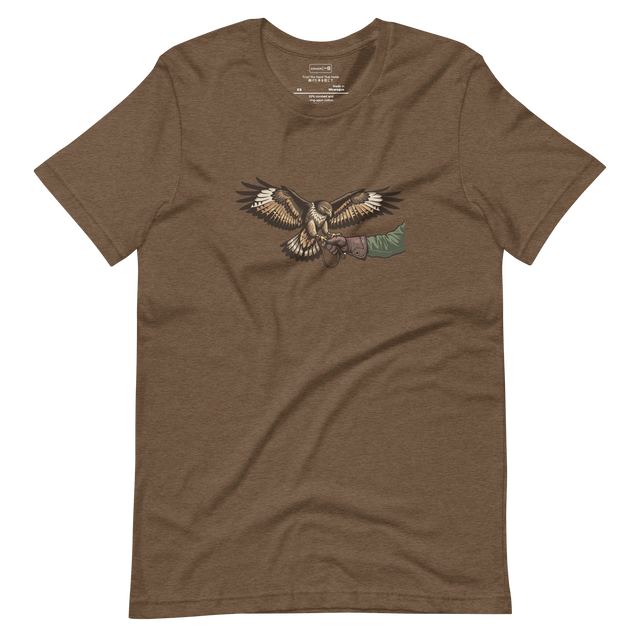
We choose one color and discover how many choices remain. A large solid shape feels different from a scatter of small marks. A thin outline gives the surrounding fabric more room. Repetition introduces a pace that a solitary image does not have.
Limiting the palette moves our attention toward those relationships. We begin to notice where the work is happening inside the composition.
Change the Ground
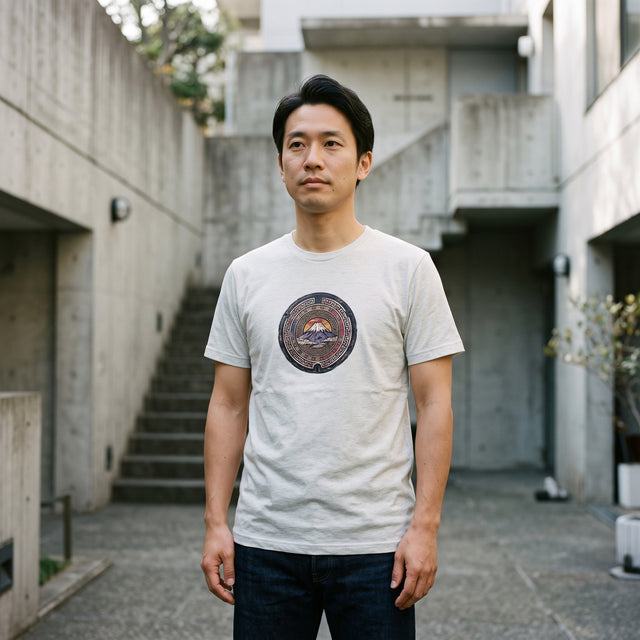
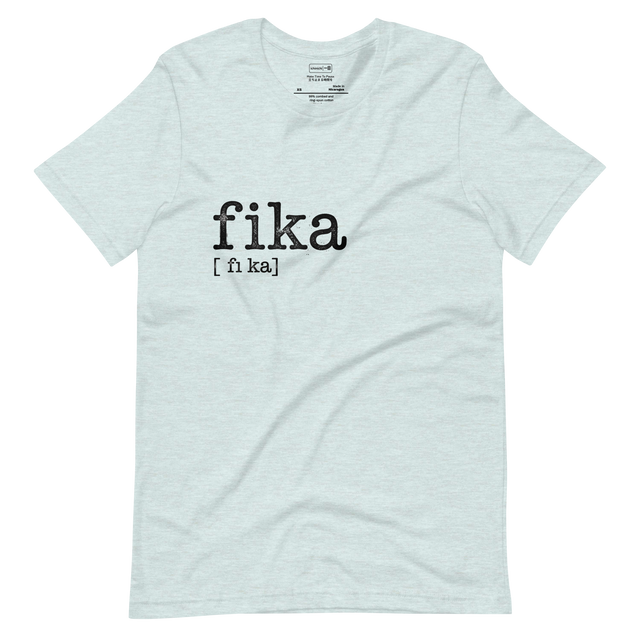
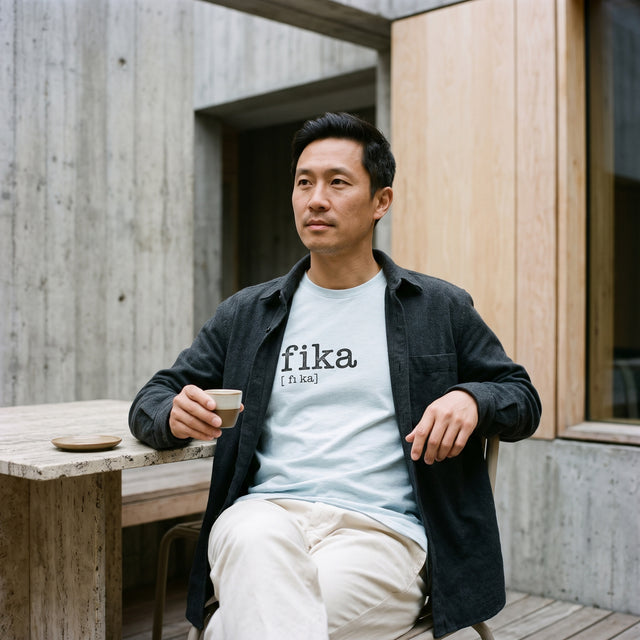
The shirt underneath is part of the image. The same dark mark on a pale base reads differently from a light mark on a dark one. We compare the whole pairing rather than considering the ink in isolation.
We can use Minimal Clean as a visual reference for the role of the base. Its color and the space left unprinted influence what the graphic feels like before we inspect any detail.
Build a Small Set of Variations
We keep the drawing constant and change one feature at a time: size, position, or the distance between repeated elements. Placing the versions side by side helps us see which choice supports the idea.
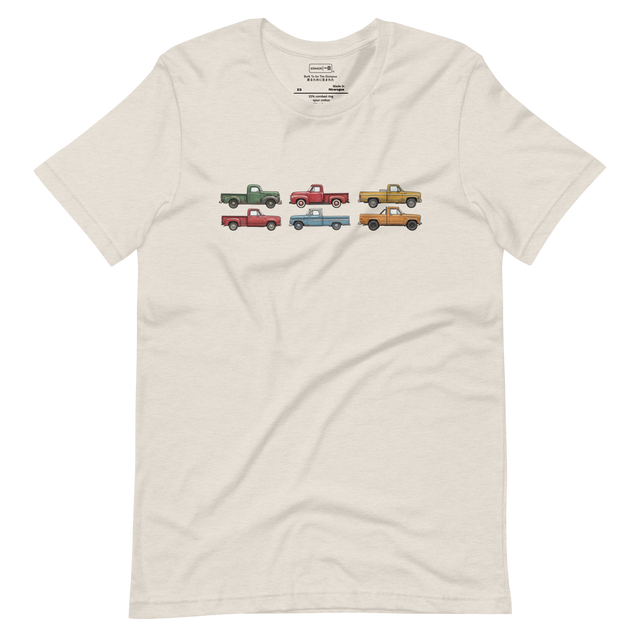
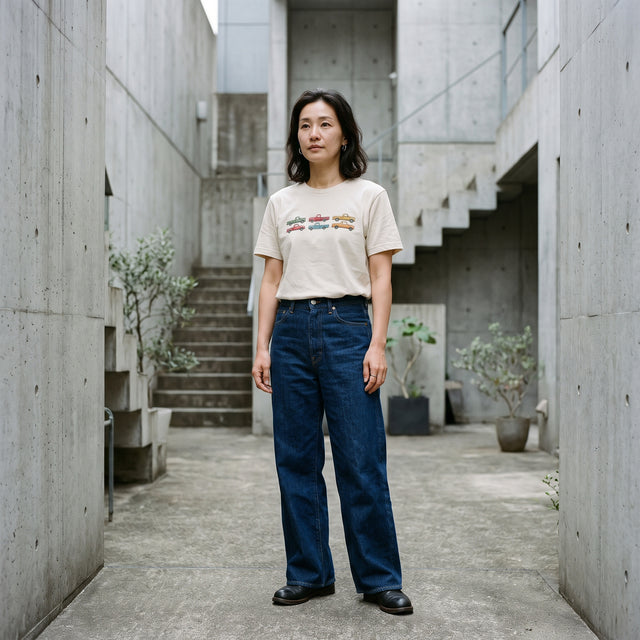
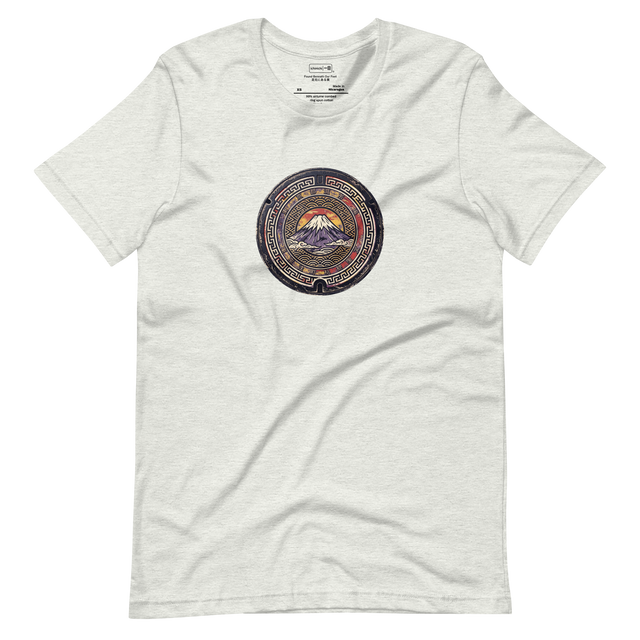
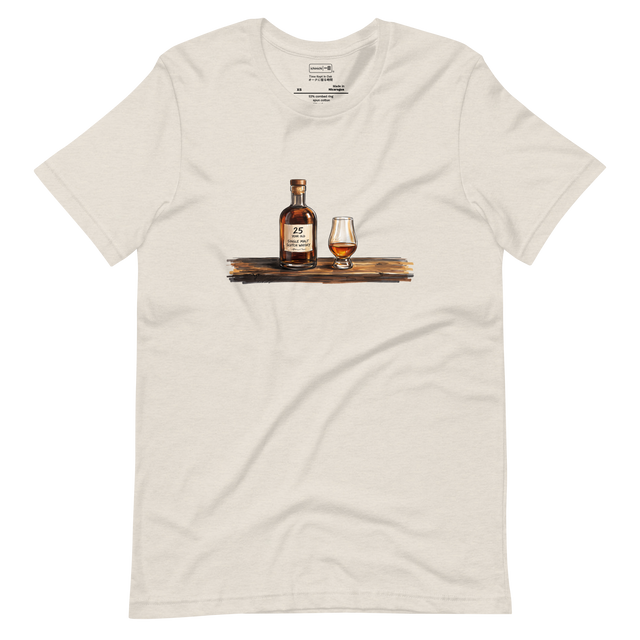
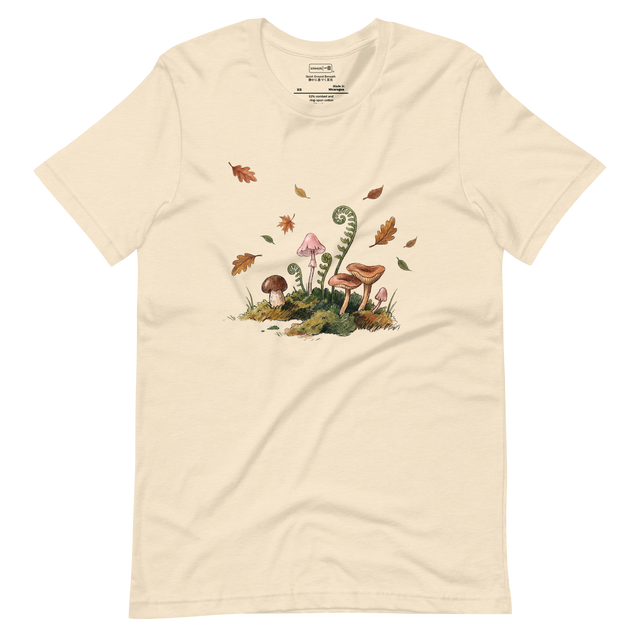
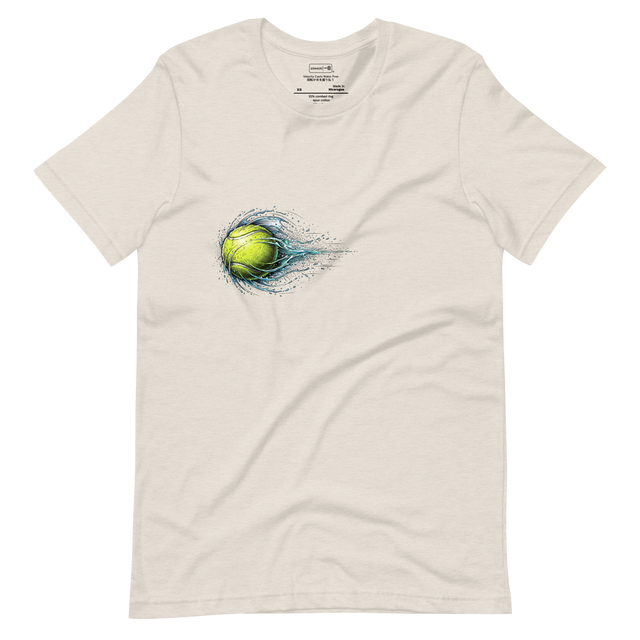
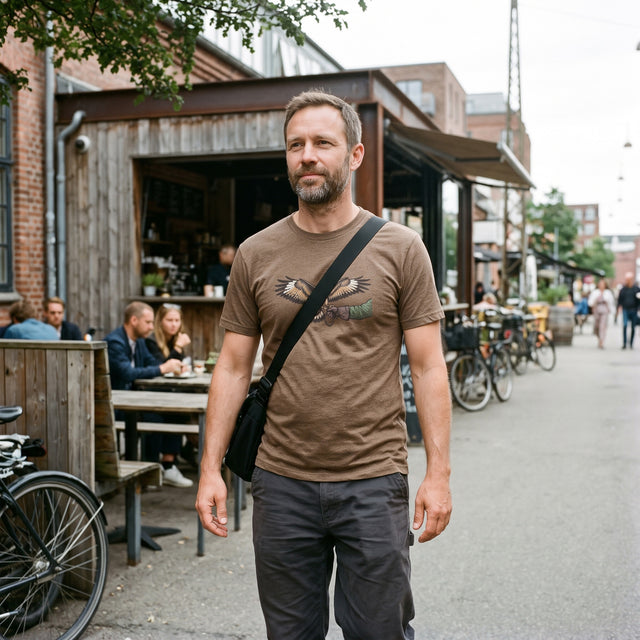
Looking at Today's Drop, we can ask what gives the image its range. Sometimes the answer is a carefully limited set of marks. One color leaves enough room for a design to feel spare, playful, dense, or expansive, depending on how we arrange it.




0 Comments
There are no comments for this article. Be the first one to leave a message!