
The Translucent Shield: Tokyo’s Umbrella Culture
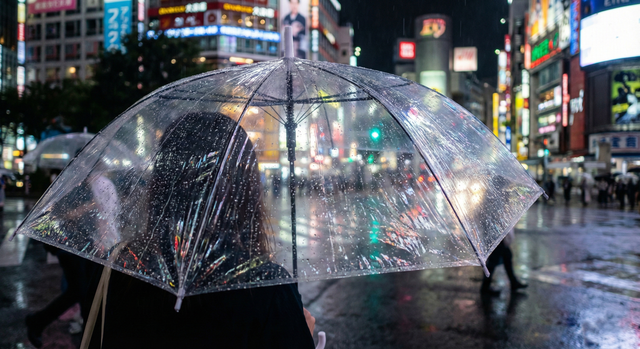
If you have ever stood at Shibuya Crossing during a downpour, you have seen the sea of transparent vinyl. It is a mesmerizing sight—thousands of people moving in rhythm, shielded by identical clear umbrellas. In Tokyo, the umbrella isn't just an accessory; it is a prerequisite for urban survival.
The Konbini Aesthetic
The ubiquity of the clear plastic umbrella—often bought at a konbini (convenience store) for a few hundred yen—is a masterclass in accidental minimalism. It serves a specific function: it keeps you dry without blocking your vision in the crowded, neon-lit streets. It is pure utility.
This "form follows function" mindset is central to how we approach our own design philosophy. Just as the clear umbrella strips away the unnecessary, we strip away the noise in our Minimal & Clean Collection. There is a quiet confidence in simplicity.
A Culture of Preparedness
The Japanese have a saying: "Sonae areba urei nashi" (Preparation prevents worry). Carrying an umbrella, even when the sky is merely grey, is a sign of social responsibility. You are ensuring you won't be the person dripping water onto others on the packed rush-hour train.
We channel this same intention into our graphics. Whether it is a specific kanji or a structural layout, everything is placed with purpose. You can see this discipline in Japanese Kanji drops, where the meaning is as important as the ink.
Embracing the Elements
Tokyoites do not hide from the rain; they navigate it. The city takes on a cinematic quality when wet—the asphalt turns black and reflective, and the lights blur. It is a mood we often try to capture.
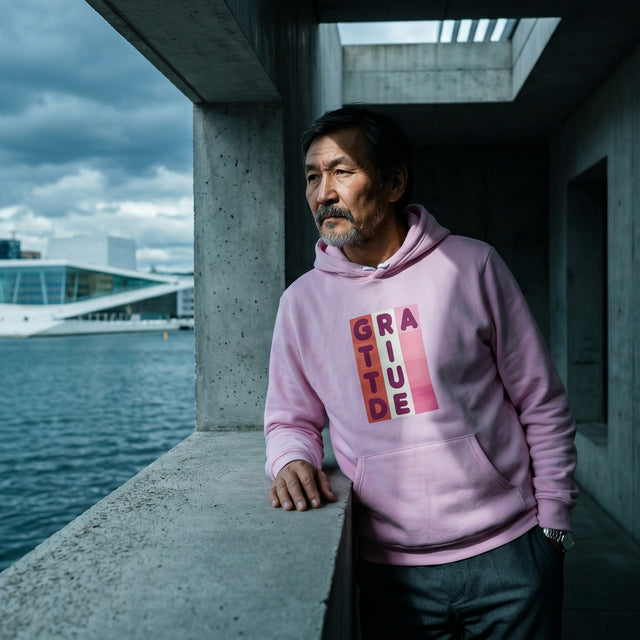
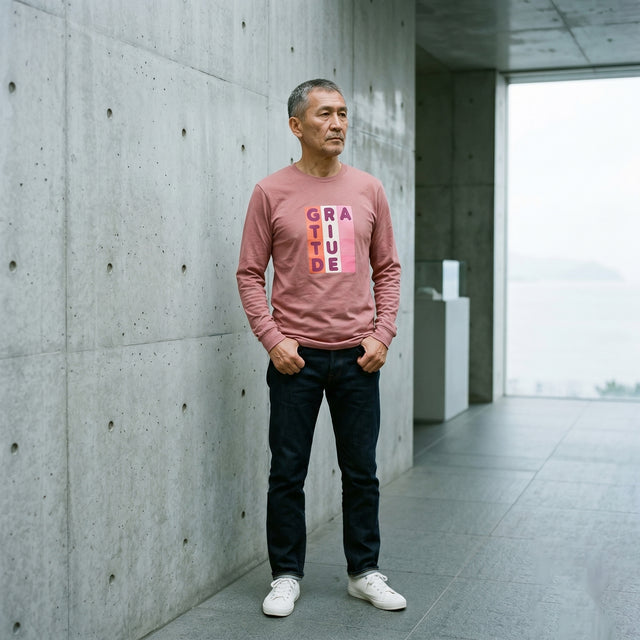
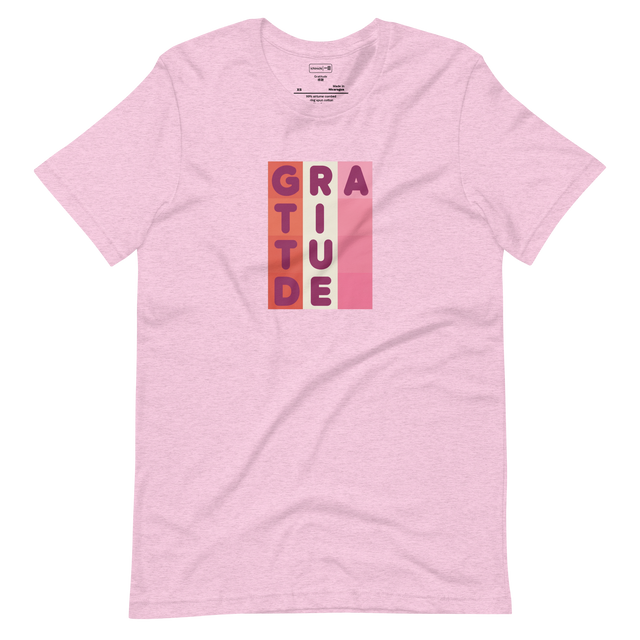
Don't let the weather stop your rotation. Check out Today's Drop for pieces designed to look good, rain or shine.












0 Comments
There are no comments for this article. Be the first one to leave a message!