
La práctica de "suficiente": saber cuándo una colección de streetwear está completa
El peso de lo invisible
Camine por cualquier manzana en el centro de Manhattan o Tokio, y el ruido es inmediato. Es un bombardeo implacable de texturas, luces e hiper-marca. Como diseñadores, ese caos se filtra naturalmente en el estudio. Al prototipar una nueva cápsula, existe un instinto peligroso de igualar ese volumen, de agregar un bolsillo táctico adicional, una cremallera asimétrica o un panel gráfico pesado solo para demostrar que la pieza está "diseñada". Pero en ichinichi.studio, creemos que la verdadera presencia se construye a través de la moderación.
La arquitectura de la reducción
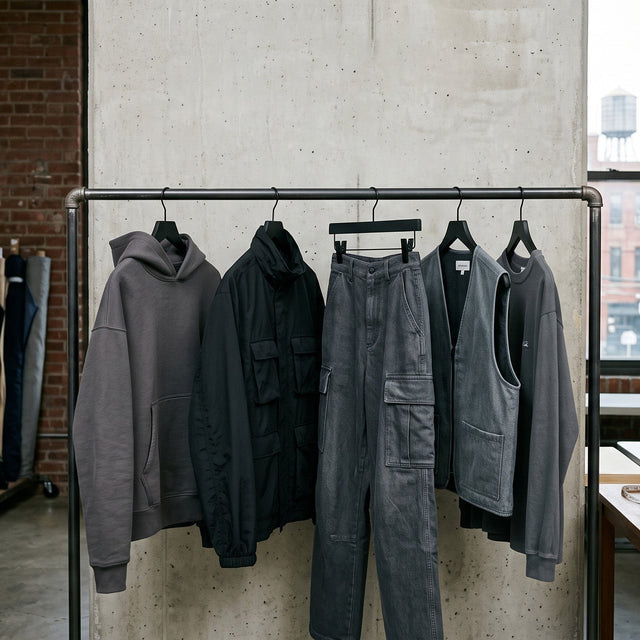
Nuestro proceso se basa en un principio fundamental del minimalismo japonés: tratar el espacio no como un vacío, sino como un equilibrio estructural. Al editar La Colección de Hoy, el trabajo más difícil ocurre después de que las primeras muestras llegan al estante. Examinamos cada línea de costura, cada panel de algodón de rizo pesado, y preguntamos qué se puede quitar. Una colección de ropa urbana no se termina cuando no queda nada por construir, sino cuando no queda nada por quitar sin comprometer la integridad funcional de la prenda.
Tres reglas de la edición
En nuestro taller de Brooklyn, sabemos que una línea ha alcanzado su forma final y completa cuando cumple tres marcadores específicos:
- Cadencia intencional: Cada silueta complementa la siguiente, formando un uniforme conciso en lugar de una colección de ideas ruidosas y competitivas.
- Propósito funcional: Ningún herraje existe solo por decoración; cada elemento de utilidad sirve al movimiento diario del habitante de la ciudad.
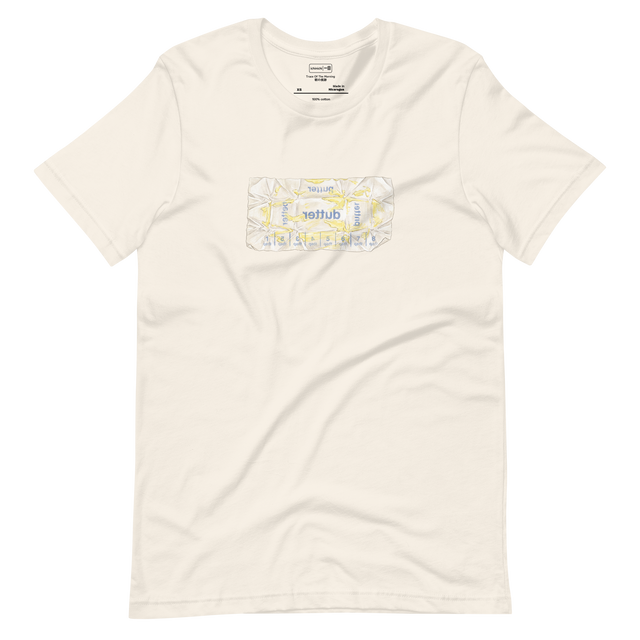
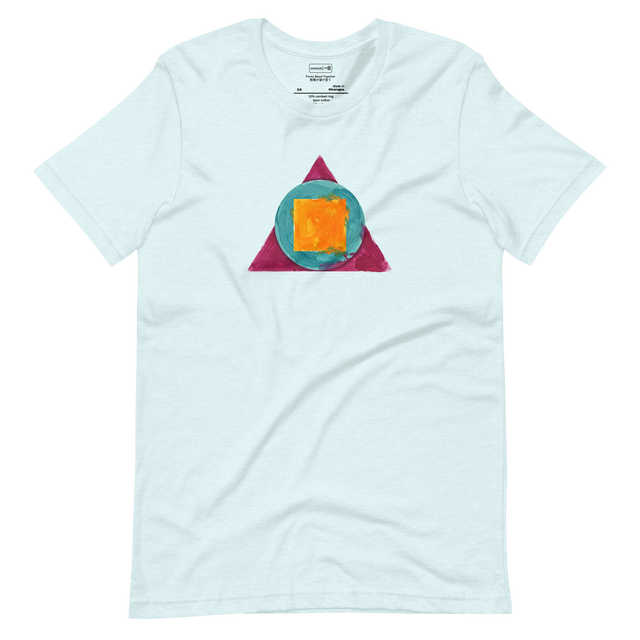
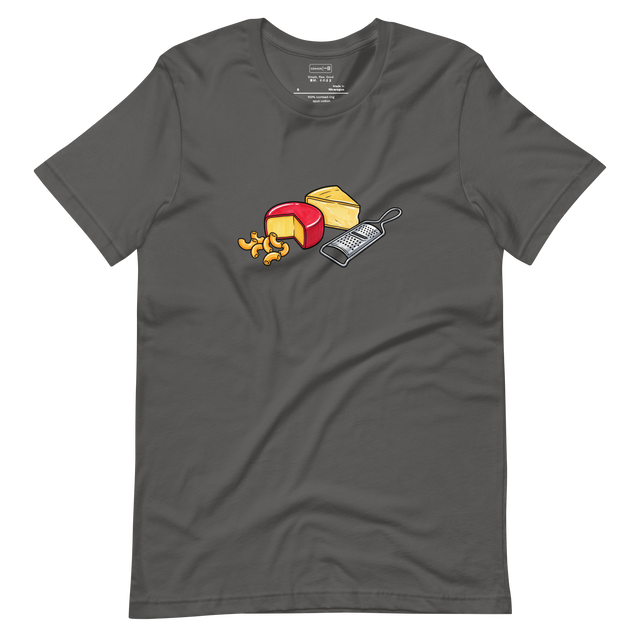
- Equilibrio tonal: La paleta y las formas ofrecen una base tranquila y versátil, diseñada para anclar perfectamente nuestros gráficos japoneses/Kanji más audaces.
La curación es un acto de disciplina. Cuando miras las piezas fundamentales en El Archivo, ves prendas que no necesitan gritar para ser notadas. Saber cuándo termina una colección significa confiar en que tu concepto principal es lo suficientemente fuerte como para valerse por sí mismo, completamente sin adornos.










0 Comentarios
No hay comentarios todavía. Sé el primero en comentar.